
What are the early warning signs of a full septic tank?
Slow drains are usually the first clue. Sinks empty slower than they used to, the tub takes forever to clear, and the toilet needs a second flush. Gurgling in the pipes after a flush means air is trapped where it shouldn't be, which points to a blockage or a tank close to capacity. Standing water or a soggy patch over the drain field, especially one that stays wet when the rest of the yard is dry, is a sign the tank can't absorb any more. A sewage odor near the tank lid or the field is another marker, and it tends to get stronger, not weaker, if it's ignored. Lush, unusually green grass right over the tank in an otherwise average lawn is also worth noticing. None of these signs are dramatic on day one. They build. If you're in Jackson and seeing two or more at once, it's worth scheduling septic pumping service before it turns into a weekend emergency. For homes further out, the same signs apply whether you're near downtown Jackson or out toward Byram, 15.3 miles southwest.
Why does my septic tank back up into the house?
A backup into the house almost always means the tank is full, the drain field is saturated, or there's a blockage between the house and the tank. Grease, wipes, and heavy paper are common culprits, and once solids build past a certain point, water has nowhere to go but back the way it came. This is the same principle that governs grease trap pumping for commercial kitchens: a grease interceptor gets pumped once fats, oils, grease, and solids reach 25 percent of the liquid depth, and a home tank fails on a similar logic once solids crowd out capacity. Tree roots finding their way into old pipe joints cause slow, gradual backups that look like a normal clog until they aren't. If backups happen after heavy rain, the drain field may be saturated rather than the tank being full, which is a different fix. Either way, a backup is not a wait-and-see problem. Homeowners searching how often to pump a septic tank in Jackson usually find out the hard way that 3 to 5 years is a guideline, not a guarantee, and tank size versus household size shifts that window in either direction.
How much does it cost to fix septic tank problems in Jackson?
A straightforward pumping visit runs measurably less than an emergency callout on a holiday weekend, so timing matters. Below is a general range for pumping-related service; a full backup with excavation or field repair costs more and needs an on-site estimate.
| Service | Price band |
|---|---|
| Septic pumping, standard day rate | $150 to $300 |
| Septic service, weekend rate | $50 to $150 |
For a full cost breakdown by tank size and access, see septic tank pumping cost. If your property doesn't have a fixed tank at all yet, or you're running a temporary setup during construction, look at holding tank rental instead of a permanent system. Commercial properties in Jackson with kitchen operations should also budget separately for grease trap pumping, since that runs on its own service interval tied to grease buildup, not household use.
When should I call for emergency septic service?
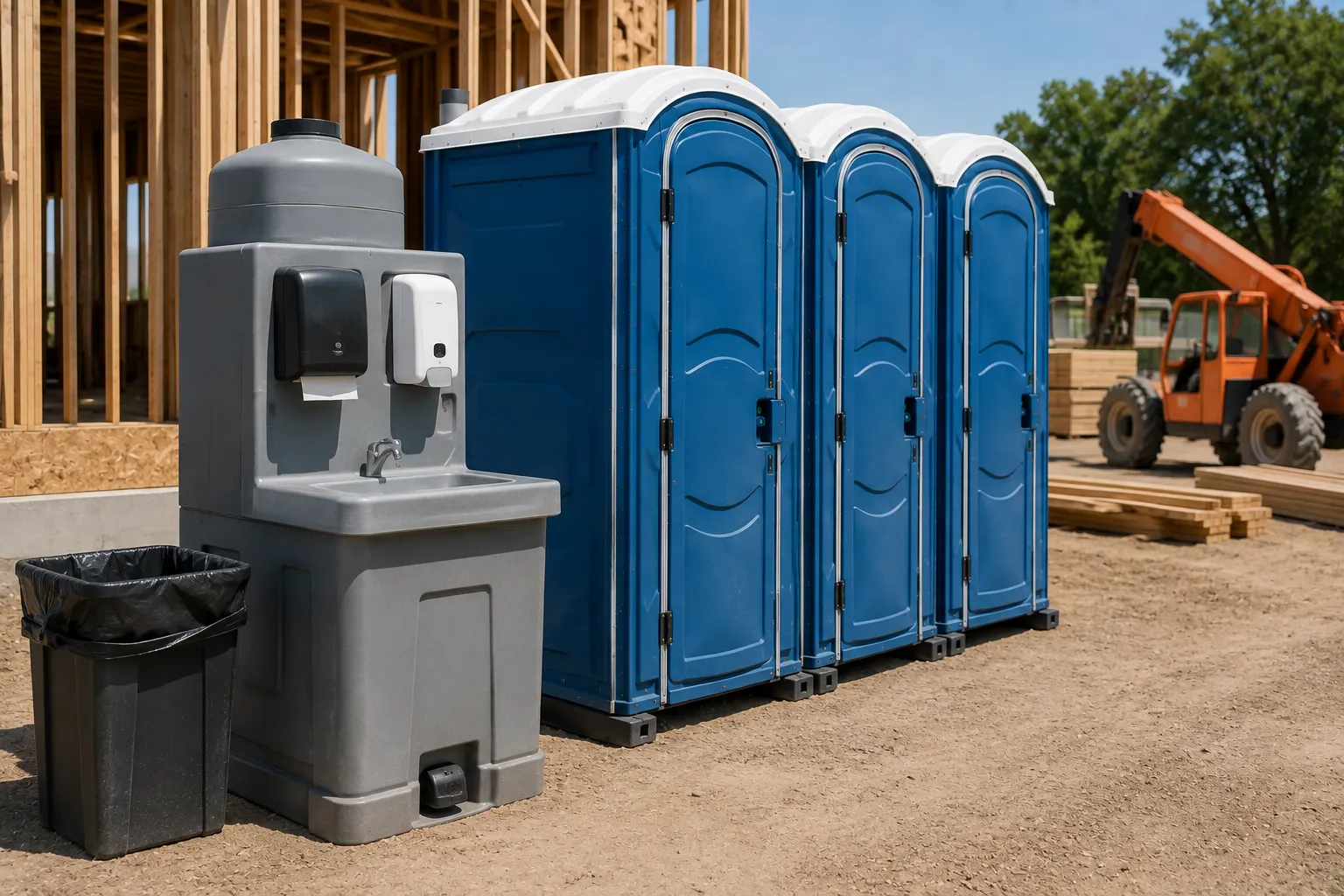
Call immediately if sewage is backing up into a drain, a toilet won't flush and won't clear, or you smell sewage inside the house rather than outside near the tank. Waiting even a day can turn a pumping visit into a cleanup job. Emergency septic service in Jackson exists for exactly this window, when a homeowner notices multiple warning signs stacking up at once, gurgling plus standing water plus odor, and needs someone out before the situation gets worse. If you're hosting an event or running a job site and the fixed system can't keep up temporarily, a portable toilet rental or a bank of standard porta potty rental units can bridge the gap while the tank gets serviced. Construction crews in Jackson dealing with septic uncertainty on a build site often pair septic pumping service with construction site services to keep a project moving without interruption. The same logic applies to older homes mid-renovation, where a home renovation porta potty covers the crew while plumbing work is underway.
How do I know if it's the tank or the drain field?
If pumping the tank fixes the symptoms and they come back within weeks, the drain field is likely saturated or damaged, not the tank itself. Standing water that persists over the field even after pumping points the same direction. A technician can confirm which one it is during a septic tank cleaning visit.
Can I pump my own septic tank?
Not safely or legally without the right equipment. Tanks hold gases that are dangerous in confined spaces, and disposal of the pumped waste is regulated. Hire a licensed service for septic pumping service rather than attempting it yourself.
How often should a septic tank actually be pumped?
Every 3 to 5 years for a typical 1,000 gallon residential tank, though household size and tank size shift that window. See how often to pump a septic tank for specifics on sizing your interval.
What causes a septic tank to fail early?
Flushing wipes, grease, and heavy paper products speeds up solid buildup. Tree roots and heavy rainfall saturating the drain field also shorten the interval between pumpings, sometimes well below the standard 3 to 5 year range.
Does Liberty Porta Potty handle both septic pumping and portable restrooms?
Yes. Liberty Porta Potty covers septic pumping alongside portable toilet rental, so a Jackson property dealing with a failing tank can get a temporary restroom solution and a pumping visit from the same call.
Next step
Get a delivery date
Tell us the address, the dates and the headcount. We size the order and confirm the route.