
How Often Does a Septic Tank Need Cleaning?
The honest answer is: it depends on your tank and your household, but 3 to 5 years is the range most homeowners land in. A family of six fills a tank faster than a retired couple in the same size house. Tank size matters just as much as headcount. If you built recently and don't know your tank's capacity, that's worth digging up before you guess at a schedule. Septic tank pumping cost in Jackson runs on the same logic as the interval question: pay for service now, or pay more later when a backup forces an emergency call. Watch for the warning signs between scheduled pumpings, too. Slow drains, gurgling pipes, and standing water near the drain field all mean the tank is fuller than it should be. Our septic tank warning signs page walks through what to look for before it becomes a mess in the yard. If you're renovating a Jackson property and taking the house off septic use for a stretch, a porta potty rental or a portable restroom rental keeps the crew covered without straining the tank mid-project.
What Determines Septic Tank Cleaning Frequency?
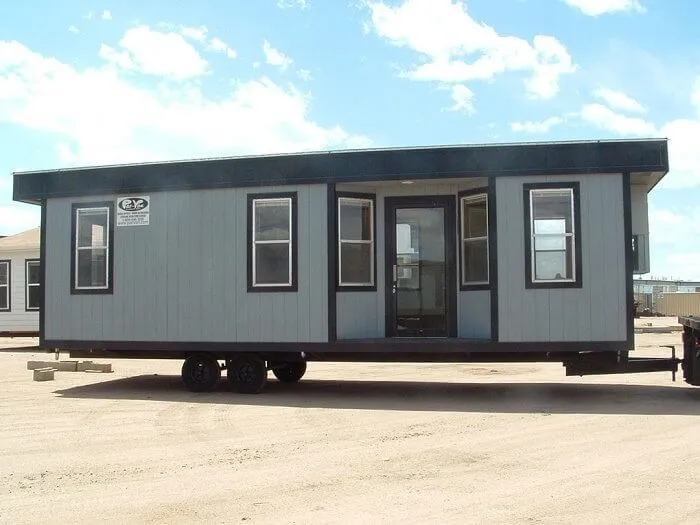
Three things drive the schedule: tank size, number of residents, and what goes down the drains. A small tank serving a big family gets pumped more often than a large tank serving two people. Garbage disposals, excess grease, and heavy laundry days all speed up the fill rate. Commercial kitchens face a related but different problem. A grease interceptor gets pumped once fats, oils, grease and solids build up to 25 percent of the liquid depth, which is a faster cycle than a home septic tank ever sees. If you run a restaurant or catering operation anywhere between here and Flowood, 10.2 miles east, check our grease trap pumping page for that separate schedule. For sites without a permanent tank at all, construction crews and remote properties often lean on a holding tank rental instead, which needs pumping on its own service interval, not the 3 to 5 year homeowner timeline.
Why Does Tank Size Change the Timeline?
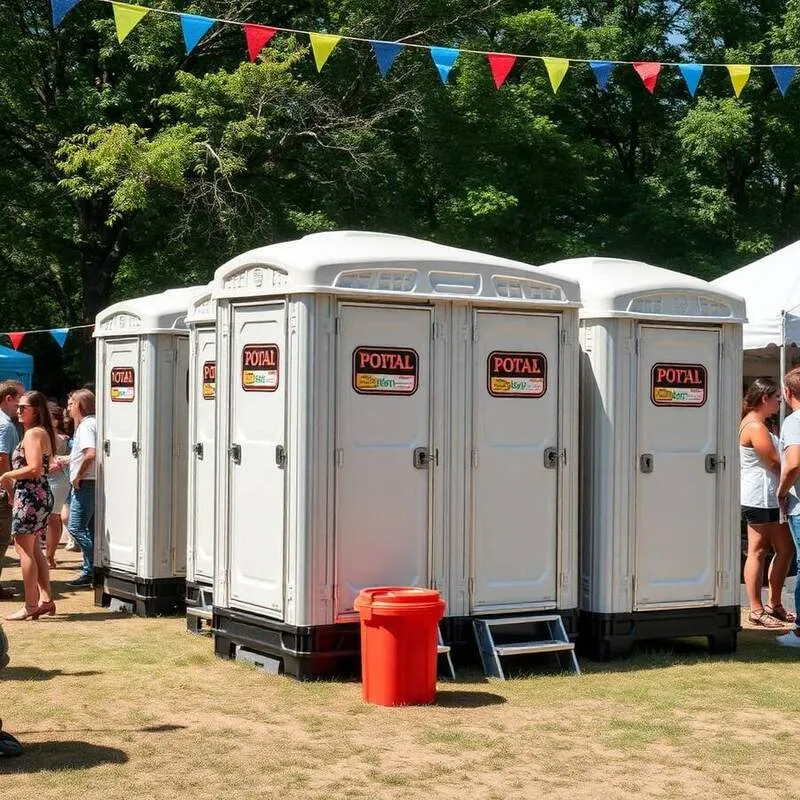
A bigger tank holds more solid waste before it needs emptying, plain and simple. Two households of the same size can be on completely different pumping schedules if one has a 750 gallon tank and the other has 1,250 gallons. This is also why guessing at a schedule from a neighbor's experience in Clinton or Richland doesn't work well. Their tank size and household load are their own variables, not yours. If you're planning new construction anywhere in the Jackson area and want to get ahead of sanitation needs during the build phase, our construction site services page covers what's needed on-site before utilities go live. Standard portable toilets used on those job sites carry a 60 to 70 gallon holding tank, which is a different beast entirely from a home septic system, but the underlying idea is the same: every tank has a capacity, and capacity plus usage sets your service interval. OSHA's construction sanitation rule at 1926.51(c) sets toilet counts for job sites, unrelated to septic pumping frequency but worth knowing if you're staffing a build.
When Should You Call an Emergency Septic Service?
Call immediately if you see sewage backing up into the house, standing water pooling over the drain field, or a strong odor that wasn't there last week. Waiting even a few days on those signs risks a much bigger cleanup and repair bill. Our emergency septic service page in Jackson is built for exactly that situation, not the routine every-few-years maintenance call. Regular septic pumping service and periodic septic tank cleaning are what keep you off that emergency list in the first place. Homeowners further out, in Madison 15.5 miles northeast or Byram 15.3 miles southwest, still fall under the same 3 to 5 year guidance since the physics of a septic tank don't change with zip code. What changes is how fast someone can get a truck to you, so don't wait until the tank is already backing up to make the call.
How do I know my tank size?
Check your building permit records or the paperwork from when the system was installed. If you can't find either, a service technician can measure it during a routine pumping visit. Tank size is the single biggest factor in your pumping schedule, so it's worth confirming rather than guessing.
Can a large household shorten the pumping interval?
Yes. A household of six or more on a standard-size tank often needs pumping closer to every 3 years instead of every 5. More people means more solid waste entering the tank daily, which fills the capacity faster regardless of the tank's original size rating.
Does a garbage disposal affect septic pumping frequency?
Yes, heavy disposal use adds solid material to the tank faster than normal. Homes with disposals running daily should lean toward the shorter end of the 3 to 5 year range rather than stretching toward 5 years between services.
What happens if I skip a scheduled pumping?
Solids build up until they overflow into the drain field, which can clog the leach lines permanently. That turns a routine pumping bill into a full drain field replacement, which costs far more and takes much longer to fix.
Is a grease trap the same as a septic tank?
No. A grease trap serves commercial kitchens and gets pumped based on grease buildup reaching 25 percent of liquid depth, often monthly or more. A home septic tank runs on the much longer 3 to 5 year residential cycle instead.
Next step
Get a delivery date
Tell us the address, the dates and the headcount. We size the order and confirm the route.